
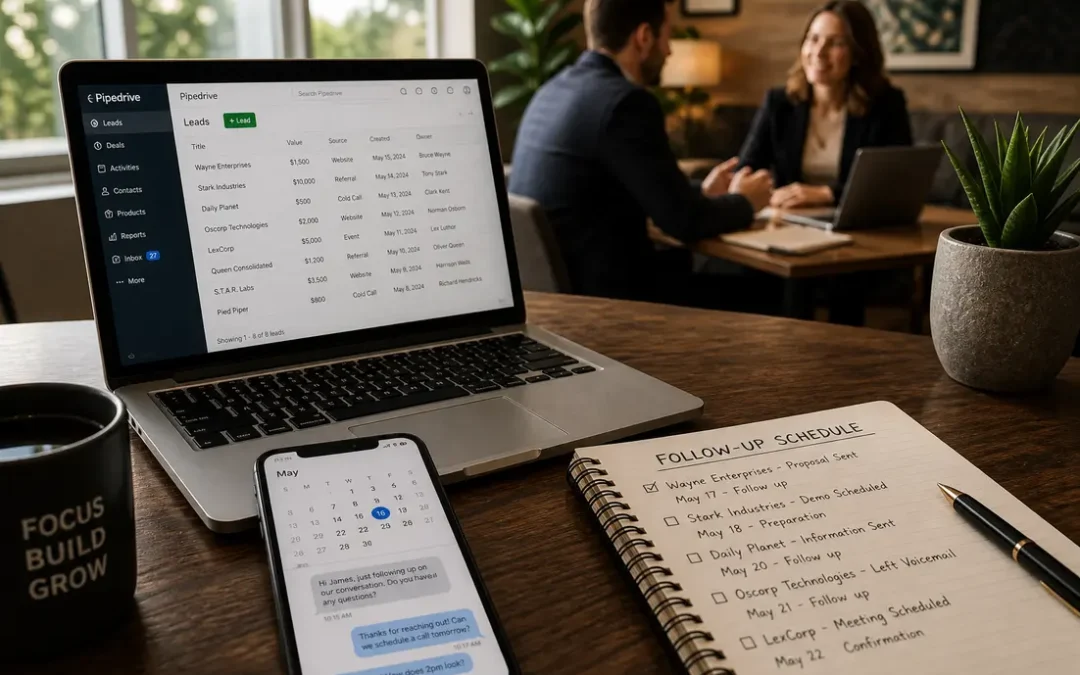
Every inquiry is an opportunity, but not every inquiry becomes a paying customer. To consistently turn inquiries into paying customers, organizations need a repeatable process: qualify leads, respond promptly, and follow up consistently. Below are practical steps agencies, consultants, real estate teams, and B2B businesses can implement today.
Why many inquiries fail to convert
Leads fall through the cracks for a few common reasons: slow or generic responses, unclear qualification that wastes time, and inconsistent follow-up that lets interest cool. Fixing these three areas won’t guarantee success overnight, but it creates predictable improvement in conversion rates.
Step 1 — Qualify leads quickly and effectively
Qualification saves time and helps sales teams focus on opportunities with genuine buying intent. Build a lightweight qualification process that fits your business and can be applied within minutes of receiving an inquiry.
Core qualification criteria (use these or adapt them)
- Need: Is there a clearly stated problem or goal?
- Authority: Is the contact a decision-maker or connected to one?
- Budget: Does the lead have a realistic budget or funding source?
- Timeline: When do they want to implement or buy?
Practical ways to qualify
- Use a short intake form that includes one or two qualifying fields (budget range, timeframe, role).
- Add conditional questions on contact forms to route high-intent leads to a “priority” inbox or sales queue.
- Train intake staff or use a scripted triage call to capture missing qualification details immediately.
Step 2 — Respond promptly and with purpose
Speed matters but so does relevance. A fast, templated reply that still feels personal converts better than a slow, perfectly written message. Aim to acknowledge inquiries quickly and deliver helpful next steps.
Suggested response workflow
- Immediate auto-response: Apologize only if necessary, confirm receipt, set expectations for next contact, and include a clear CTA (schedule a call, complete a short form, or download a one-page brief).
- Personal follow-up within 24 hours: Reference the inquiry specifics and propose a concrete next step (15-minute discovery call, available times, or a short qualification email).
- Prepare a tailored value note: For qualified leads, send a one-page summary of how you solve similar problems, including relevant examples or a short testimonial.
Email response templates (short)
Auto-response: “Thanks — we received your inquiry. We’ll review it and get back within 24 hours with next steps. If you’d like to schedule a quick call now, here are available times.”
Personal follow-up: “Hi [Name], thanks for reaching out about [topic]. A 15-minute call will help me confirm fit and next steps. Are you available on [two time options]? If you’d rather share priority goals here, reply and I’ll review them.”
Step 3 — Follow up consistently (and smartly)
Conversions often require multiple touches. Follow-up should be persistent but helpful—each contact should add value rather than repeat the same ask.
Example 6-touch follow-up sequence
- Day 0: Auto-response (acknowledge and set expectations)
- Day 1: Personal follow-up (ask to schedule or clarify needs)
- Day 3: Share a relevant case study or brief tailored to their need
- Day 7: Short check-in with an additional resource or insight
- Day 14: Offer a limited-time incentive (free audit, reduced-fee first month, or priority scheduling)
- Day 30: Final check-in and placement into long-term nurturing if no response
Follow-up tips
- Mix channels: email, phone, SMS (where appropriate), and LinkedIn messages can increase reach without being intrusive.
- Add value at each touch: share a brief tip, relevant article, or a short client example tied to their need.
- Automate routine touches with your CRM but ensure personal outreach from a real person at key points (after qualification, before closing).
Tools and process design
Use tools to make this repeatable: a CRM for tracking status and reminders, intake forms with conditional logic, and simple automation for initial responses and sequences. Implement lead scoring to surface higher-probability inquiries and set clear SLAs (service-level agreements) for response times so the team knows priorities.
Tailored tips for your business type
Agencies
- Show a concise portfolio example that matches the prospect’s industry in your follow-up.
- Offer a short, paid discovery sprint to move from inquiry to proposal quickly.
Consultants
- Use a diagnostic questionnaire to qualify complexity and time required before proposing rates.
- Provide a sample one-page plan in follow-up to demonstrate expertise.
Real estate
- Quickly verify buyer/seller readiness and preferred neighborhoods to prioritize showings or listings.
- Send targeted listings or market snapshots in the first follow-up email to demonstrate immediate value.
B2B companies
- Route enterprise inquiries to a dedicated account exec and use account-based materials in follow-ups.
- Use product demos or short recorded walkthroughs early in the sequence to speed evaluation.
Where to add internal links
Natural places for internal links include your pricing page, case studies, service or product pages, and a clear contact or booking page. Linking to a relevant case study in your follow-up email can significantly increase credibility.
Conclusion
To turn inquiries into paying customers, build a simple qualification system, respond quickly with useful next steps, and follow up consistently with value. Start by defining qualification fields, setting a 24-hour personal-response SLA, and creating a 4–6 touch follow-up sequence that mixes helpful content and calls to action. These operational changes are low-cost and high-impact, and they make your sales pipeline far more predictable.
FAQ
How fast should I respond to new inquiries?
Acknowledge new inquiries immediately with an automatic reply, and aim for a personal follow-up within 24 hours. Faster responses increase the chance of engagement and let you qualify interest before competitors do.
What makes a lead “qualified”?
A qualified lead has a clear need, a decision-maker involved or accessible, a realistic budget or funding, and a defined timeline. Tailor these criteria to your business and document them for consistent triage.
How many follow-ups are appropriate before stopping?
Many prospects need multiple touches—4 to 6 strategically spaced follow-ups is common. If there is no engagement after that, move the contact to a long-term nurture list and revisit later.
Can automation replace personal outreach?
Automation handles volume and timing well, but personal outreach is critical at qualification and closing stages. Use automation for routine touches and reminders, and reserve human effort for relationship-building and negotiation.